
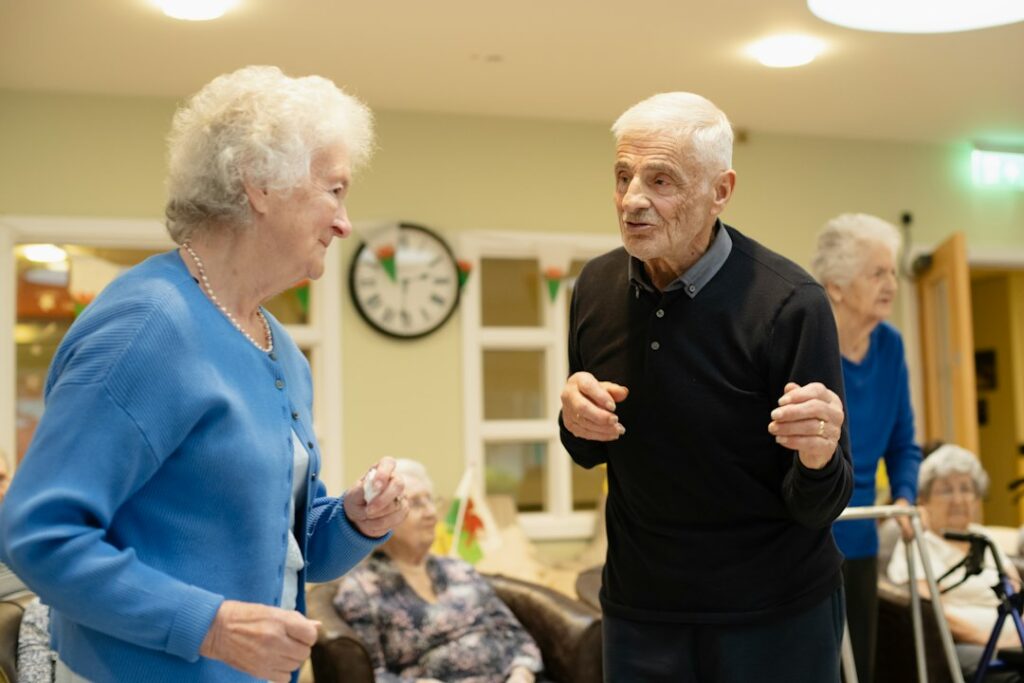
Assisted living can support an active lifestyle by making movement, social connection, and daily purpose easier to maintain. In Bethel Park, PA, this may be especially helpful for older adults who want to remain engaged while managing changes in strength, balance, transportation, or health.
Active living does not require intense exercise. It can include walking to meals, joining a group activity, tending plants, participating in a discussion, or helping with a daily task. The goal is regular movement and meaningful involvement at a level that feels safe and appropriate.
What does an active lifestyle mean in assisted living?
An active lifestyle includes more than organized exercise. It combines physical movement, mental stimulation, social interaction, and independence in everyday routines.
Residents may stay active by:
- Walking through indoor and outdoor areas
- Participating in stretching, balance, or strength activities
- Attending music, art, educational, or game programs
- Helping with gardening, decorating, or shared projects
- Eating meals with others instead of remaining isolated
- Choosing personal routines and activities that provide structure
This broader definition matters because older adults have different abilities and interests. Someone recovering from an illness may begin with short walks and seated exercises, while another resident may enjoy longer walks, dancing, or organized group activities.
How does assisted living encourage regular movement?
Assisted living settings are designed to make everyday movement more convenient and visible. Meals, activities, common areas, mail, and outdoor spaces are often located within the same community, giving residents natural reasons to get up and move throughout the day.
Regular movement may happen through simple routines, such as walking to breakfast, visiting a lounge, or joining a scheduled activity. These short periods of activity can be more manageable than trying to complete one long workout.
Staff members may also help residents identify activities that match their current abilities. A person who uses a walker, has joint pain, or becomes tired easily may benefit from seated movement, shorter distances, rest breaks, or activities held close to the apartment area.
The purpose is not to push residents beyond their limits. Safe activity should support confidence, function, and enjoyment rather than create pressure to perform.
Which activities are commonly available?
Programs vary, but many assisted living communities offer a mix of physical, social, creative, and cognitive activities. Examples may include:
- Chair exercises and gentle stretching
- Walking groups or guided indoor walking
- Balance-focused activities
- Light gardening and seasonal planting
- Dancing, music, or sing-alongs
- Painting, crafts, puzzles, and games
- Reading groups and educational discussions
- Cooking demonstrations or shared baking
- Reminiscence programs and storytelling
- Community celebrations and small-group gatherings
An activity does not need to look like exercise to provide physical or mental benefits. Standing during a craft project, moving to music, or walking to join a conversation can add useful activity to the day.
For residents who prefer quiet routines, active living may involve independent hobbies, time outdoors, or helping with small shared responsibilities. Choice is a central part of making activity sustainable.
Can assisted living help residents remain independent?
Yes. Appropriate activity can help residents practice the movements needed for daily life, although it does not guarantee that a person will avoid future assistance.
Standing from a chair, walking to a dining area, carrying a light object, reaching for supplies, or participating in personal routines can reinforce strength and confidence. Residents may also maintain independence by choosing their schedules, selecting activities, and deciding when to rest.
Support should be adapted to the individual. A resident may be capable of walking independently one day but need more supervision when feeling ill, tired, dizzy, or unsteady. Flexible assistance allows people to remain involved without treating every resident as though they have the same needs.
Families sometimes assume that moving into assisted living means giving up independence. In practice, the right environment can reduce burdens such as household maintenance and transportation while leaving more energy for social, physical, and personal activities.
How do social activities affect physical activity?
Social connection often makes movement more appealing. Residents may be more willing to walk to a group activity or participate in an exercise class when they know familiar people will be there.
Group programs can also create gentle accountability. A resident may skip an activity offered alone but attend because a friend, neighbor, or small group is expecting to see them. Conversation before and after an activity may become part of the motivation.
Social programs are also useful for residents who are not comfortable with formal exercise. A card game, discussion group, or shared meal may encourage them to leave their apartment and move through the building. This can reduce long periods of sitting and support a more varied daily routine.

What role do outdoor spaces and seasonal conditions play?
Outdoor access can make activity more enjoyable, but it must be planned around safety and weather. In Bethel Park, seasonal changes may bring cold temperatures, snow, ice, rain, or heat that affect walking conditions and comfort.
During favorable weather, residents may enjoy patios, walking paths, gardening areas, or outdoor gatherings. In colder or wet conditions, indoor walking routes and activity rooms provide alternatives.
Safe outdoor activity may require:
- Clear, well-maintained walking surfaces
- Adequate lighting
- Seating for rest breaks
- Shade or protection from strong sun
- Appropriate clothing and footwear
- Attention to heat, cold, ice, and changing weather
Outdoor activity should never depend on a resident taking unnecessary risks. Indoor options are an important part of maintaining consistency throughout the year.
What if a resident does not enjoy exercise?
A resident does not have to enjoy traditional exercise to benefit from an active routine. The most sustainable activities are often those connected to personal interests, familiar habits, or social preferences.
Someone who dislikes exercise classes may enjoy walking while listening to music, helping arrange decorations, joining a gardening project, or attending a cooking activity. A person with memory loss may respond well to familiar songs, simple repetitive tasks, or short walks with encouragement.
It is also common for preferences to change. Pain, fatigue, grief, medication effects, or a new health condition may temporarily reduce interest in activities. Staff and family members can look for smaller, more comfortable ways to maintain engagement rather than treating low participation as a lack of cooperation.
How can families support an active routine?
Families can help by asking what the resident enjoys, what causes discomfort, and which times of day feel most energetic. They can also reinforce participation without turning activities into obligations.
Useful questions include:
- Which activities feel enjoyable rather than tiring?
- Does the resident prefer groups or one-on-one interaction?
- Are there times when walking or participating is easier?
- Is pain, fear of falling, or fatigue limiting involvement?
- Would familiar music, hobbies, or conversation encourage participation?
Changes in walking ability, balance, endurance, mood, or interest should be shared with appropriate care staff. New dizziness, repeated falls, chest discomfort, severe shortness of breath, or sudden weakness require prompt medical attention.
An active lifestyle in assisted living is built through ordinary choices repeated across the day. Movement, companionship, personal interests, and safe opportunities to participate can help residents remain engaged without requiring strenuous exercise or a rigid schedule.
