

Visiting a family member or friend in assisted living can feel unfamiliar at first. A thoughtful visit supports connection, comfort, and dignity while also respecting the community’s routines, health precautions, and shared living environment.
What should visitors know before arriving?
Visitors should confirm the community’s visiting hours, entrance procedures, and any temporary health or safety requirements before arriving. Policies may vary by building, and they can change during outbreaks of respiratory illness or other communicable diseases.
Ask about:
- Preferred visiting times
- Sign-in or identification requirements
- Whether children or pets are permitted
- Guest limits for private rooms and common areas
- Rules for bringing food, gifts, or personal items
- Any current masking, screening, or illness-related restrictions
Unplanned visits are not always convenient, even when they are welcome. Residents may have medication times, meals, therapy, religious services, appointments, or scheduled activities. A quick call or message can help avoid arriving during a difficult part of the day.
In Bethel Park, seasonal weather can also affect visits. Winter snow, ice, and cold temperatures may make outdoor entrances, sidewalks, and parking areas more difficult to navigate. Visitors should allow extra time and use designated accessible routes rather than taking shortcuts across uneven or slippery ground.
How long should an assisted living visit last?
There is no universal ideal length. A visit should last long enough to feel meaningful but not so long that the resident becomes tired, overstimulated, or uncomfortable.
Many older adults have less stamina than they once did, even when they appear alert and engaged. A resident may enjoy a conversation for 30 minutes but need a quiet break afterward. Others may prefer several brief visits rather than one long visit.
Watch for signs that the visit should end or pause:
- Frequent yawning or closing the eyes
- Short, confused, or repetitive responses
- Looking away or becoming unusually quiet
- Restlessness, irritability, or visible anxiety
- Complaints of pain, dizziness, fatigue, or feeling cold
- Difficulty following the conversation
Ending on a positive note can make future visits easier. A simple statement such as, “It was good to see you, and I will visit again soon,” provides reassurance without making promises that cannot be kept.
What are good activities during a visit?
The most useful activity is usually the one the resident can enjoy without pressure. Conversation is only one option, and it may not work well every day.
Consider activities such as:
- Looking through family photographs
- Listening to familiar music at a comfortable volume
- Reading a newspaper, short story, or religious text aloud
- Folding towels or sorting greeting cards
- Watching a favorite television program together
- Taking a brief walk if the resident is able and the route is safe
- Sharing a small snack that fits the resident’s dietary plan
- Doing a simple puzzle, craft, or card game
Activities should match the resident’s current abilities, not past hobbies alone. Someone who once enjoyed complicated games may now prefer music or a short conversation. Adapting the activity is not giving up; it is a way to preserve participation and dignity.
If the resident has memory loss, familiar routines and sensory activities may be more comfortable than questions that require recall. Instead of asking, “Do you remember who this is?” visitors can offer a gentle observation such as, “This picture was taken at the family picnic.”
How should visitors communicate with someone who has memory loss?
Speak calmly, use short sentences, and allow extra time for a response. Avoid correcting every mistake or testing the person’s memory.
Helpful approaches include:
- Introduce yourself if the resident seems unsure
- Use the resident’s preferred name
- Ask one question at a time
- Offer two simple choices instead of broad questions
- Focus on feelings rather than factual accuracy
- Change the subject if a topic causes distress
- Avoid arguing about dates, events, or people
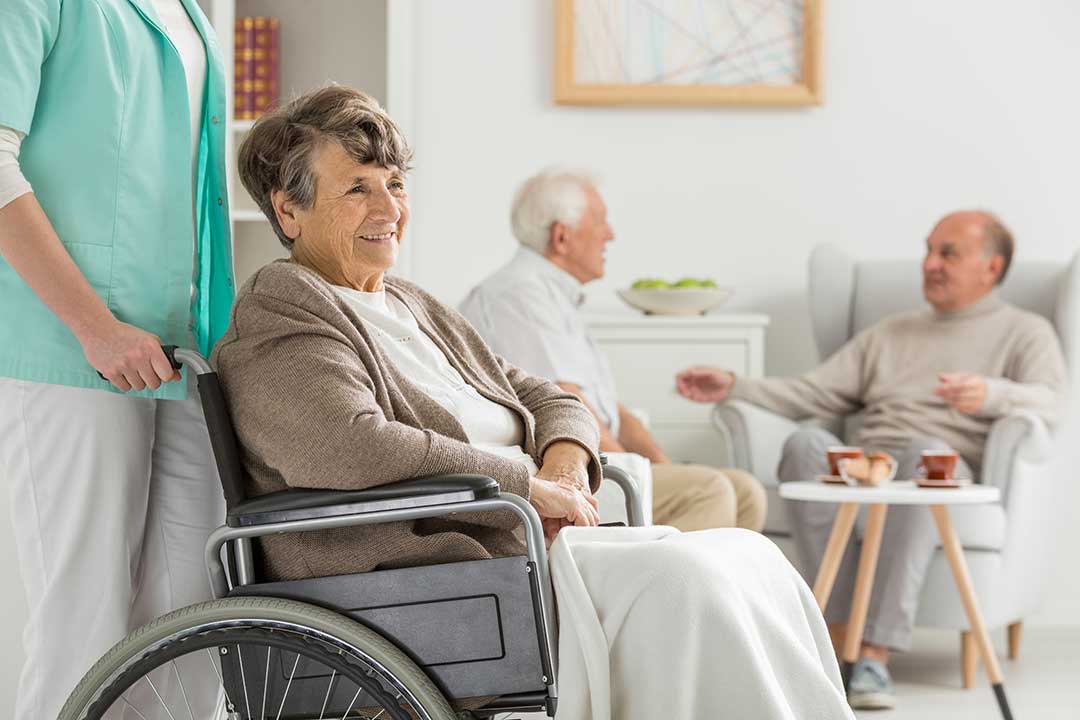
A person with dementia may believe something that is not factually correct. Directly proving the person wrong can increase fear or frustration. A calm response that acknowledges the emotion may work better. For example, “That sounds upsetting,” can be more supportive than a long explanation.
Visitors should also remember that confusion, withdrawal, or mood changes may have many causes, including fatigue, pain, infection, medication effects, hearing difficulty, or an unfamiliar environment. Significant or sudden changes should be shared with staff rather than treated as a behavior problem.
Can visitors bring food, flowers, or gifts?
Visitors should check first. Food may conflict with allergies, swallowing precautions, diabetes management, prescribed diets, or medication instructions. Even a familiar snack may be unsafe if the resident’s care plan has changed.
Flowers and plants may also be restricted because of allergies, spills, insects, or room safety. Some residents appreciate practical gifts such as:
- Large-print books or magazines
- A washable lap blanket
- Family photographs in a secure frame
- Comfortable clothing labeled with the resident’s name
- Simple music recordings
- Seasonal cards or handwritten notes
Avoid cluttering walkways, covering emergency equipment, or bringing items that create tripping hazards. Personal belongings should be marked when appropriate, especially clothing and small items that may be misplaced during laundry or room changes.
Alcohol, supplements, over-the-counter medicine, and herbal products should never be given casually. These items can interact with prescriptions or conflict with care instructions. Ask staff before bringing them.
What privacy and safety rules should visitors follow?
Residents retain privacy and should be treated as adults with personal boundaries. Visitors should not enter another resident’s room, photograph other residents, or discuss someone else’s health information.
Basic courtesy includes:
- Knocking before entering a resident’s room
- Keeping voices low in hallways and shared spaces
- Silencing phones or taking calls elsewhere
- Asking before hugging, touching, or moving personal items
- Keeping children supervised
- Following hand hygiene and illness-prevention instructions
- Staying home when experiencing fever, vomiting, diarrhea, or significant respiratory symptoms
Photography and video require particular care. A resident may consent to being photographed, but other residents, visitors, staff members, documents, or care activities should not appear in the background without permission.
If a resident uses a walker, wheelchair, oxygen equipment, or other assistive device, do not move it without asking. Do not lean on mobility equipment or place bags where they could block access.
What should visitors do if they notice a concern?
Visitors should report immediate safety concerns to staff promptly and calmly. Examples include a fall, serious breathing difficulty, chest pain, uncontrolled bleeding, a strong change in alertness, or an environmental hazard.
For less urgent concerns, write down what was observed, when it occurred, and who was notified. Specific information is more useful than general statements such as “Something seems wrong.”
Family members can ask respectful questions about changes in appetite, mood, mobility, sleep, or participation. Privacy rules may limit what staff can discuss unless the resident has authorized information sharing. That does not prevent visitors from reporting observations.
Visiting etiquette is ultimately a balance: remain present without taking over, offer help without assuming, and respect the resident’s choices. Consistent, considerate visits can provide companionship while fitting safely into the resident’s daily life and the routines of the assisted living community.
