

What Defines Quality Care in Assisted Living?
Quality care in assisted living means more than just meeting basic health and safety requirements. In Bethel Park, PA, residents and their families often look for signs that support both dignity and well-being. Hallmarks include attentive staff, individualized support, a safe environment, positive resident engagement, and transparent communication with families.
Quality care ensures that every resident feels genuinely valued and supported, not simply housed. Whether choosing a community for yourself or a family member, these elements are crucial for peace of mind and daily quality of life.
How Can Staff Interactions Reflect Good Care?
Consistently respectful, attentive, and warm interactions from staff are essential. High-quality communities in Bethel Park focus on individualized relationships, not just routines. Immediate responses to requests, staff who know residents by name, and genuine listening are positive signs.
Residents are best served when:
- Staff ask about preferences before providing help
- Personal space and privacy are respected
- A wide range of backgrounds, communication styles, and mobility levels are treated with equal care
Regular staff training—and low turnover—contributes to continuity and familiarity, which many residents value in the city's tight-knit neighborhoods.
What Should the Physical Environment Look and Feel Like?
A well-maintained, welcoming environment signals quality care. In Bethel Park, attention to safety features can be especially important during winter, when snow and ice increase fall risk.
Key indicators include:
- Clean, odor-free shared spaces and individual rooms
- Bright, well-lit hallways with handrails
- Non-slip flooring
- Emergency call systems accessible in all rooms and bathrooms
- Secure outdoor areas appropriate for the area’s seasonal weather
The presence of familiar, homelike touches—such as community gardens or quiet reading corners—can provide comfort and make the environment more supportive.
How Is Resident Autonomy and Choice Protected?
Respect for personal decisions is central to well-being. Residents should have flexibility to:
- Choose when to wake up, eat, or participate in activities
- Make decisions about their clothing, routine, and visitors
Quality care settings avoid one-size-fits-all schedules, recognizing that adults in Bethel Park value independence and routines built around personal preferences. Communities that adapt care plans in partnership with residents tend to foster greater satisfaction and trust.
Are Health and Medication Needs Managed Effectively?
Effective care means safety protocols are balanced with respect for individual needs. Trained staff should coordinate medication administration, monitor for side effects, and help with health appointments as needed.
Watch for these practices:
- Health records securely maintained and up-to-date
- Medications dispensed privately and on time
- Staff able to explain procedures in plain language
- Regular wellness checks rather than only responding during illness
Families in Bethel Park often find comfort knowing that staff have strong ties to local healthcare providers and understand the unique needs of older adults in the community.
How Are Meals and Nutrition Handled?
Quality care communities offer more than standard menus—they provide varied, appealing, and nutritious options suitable for resident preferences and dietary restrictions.
Look for:
- Fresh meals prepared on-site with flexible dining times
- Willingness to accommodate personal dietary needs (including local favorites or cultural preferences)
- Staff who notice and politely address changes in appetite or weight
Mealtime can be a highlight of the day, especially for those who enjoy conversation and community. Regular nutrition assessments help residents thrive.
What Kinds of Social and Activity Opportunities Are Offered?
Engaging activities go beyond entertainment—they help residents stay mentally and physically active. In Bethel Park, group events might reflect local history, hobbies, or seasonal celebrations.
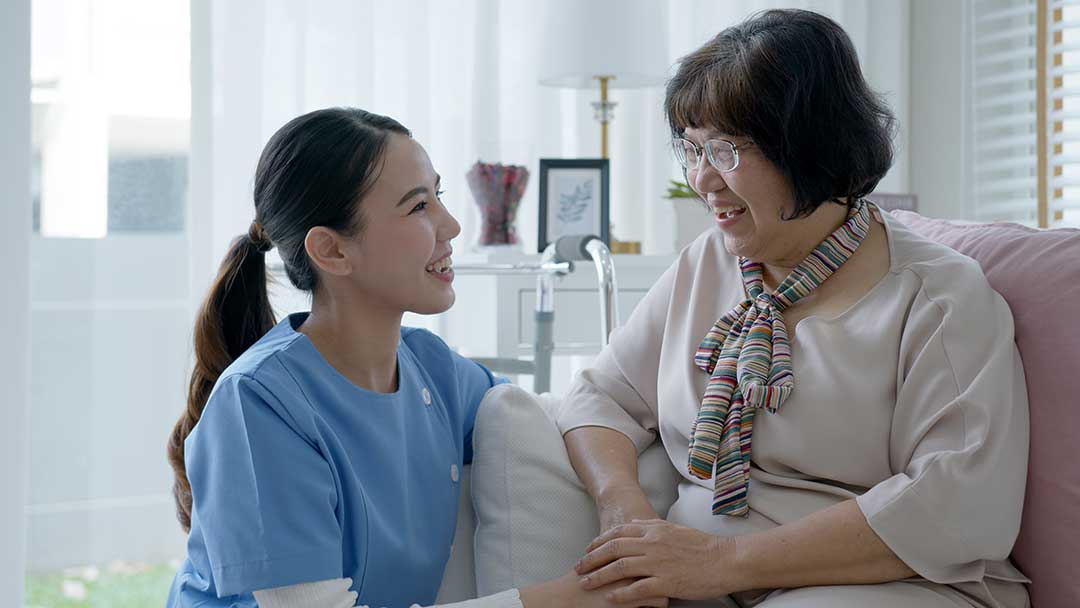
High-quality care includes:
- A range of activity choices, including quiet options for introverts and lively gatherings for those who enjoy socializing
- Opportunities for outdoor exercise when weather allows, mindful of area conditions
- Adaptation for physical or cognitive limitations, so everyone can participate
Involvement opportunities, like gardening or arts and crafts, help residents maintain a sense of purpose and connection.
How Is Family Involvement Supported?
Transparent communication with families is a sign of an open, trustworthy community. Families living in the Bethel Park area may value:
- Regular updates on residents’ well-being, either by phone, email, or scheduled meetings
- Inclusion in care planning, with genuine respect for family insight
- Flexibility for visits—even during unexpected circumstances
Communities that encourage family feedback and respond to concerns demonstrate commitment to continuous improvement.
What Role Do Policies and Oversight Play?
Robust policies and clear documentation support consistent quality. In Bethel Park, oversight from state regulators sets a baseline, but quality communities often exceed these standards.
Effective care centers have:
- Visible, up-to-date licenses and inspection reports available for review
- Clear complaint procedures and responses to feedback
- Staff familiar with emergency procedures relevant to the local area, such as evacuation planning in case of severe winter weather or local infrastructure issues
Transparency builds trust and reassures both residents and their families.
Are There Common Misconceptions about Quality Care?
Assisted living does not mean giving up control or individuality. A common misconception is that all communities are the same, but approaches can differ widely in areas like activity options, staff engagement, and resident autonomy.
Other overlooked signs of quality include:
- Interactions among residents—friendly, inclusive, and supportive relationships
- Adaptability in response to changing health or cognitive needs
- The ability for residents to personalize their living space
Quality care is best measured by daily experiences, not just services listed on a brochure.
